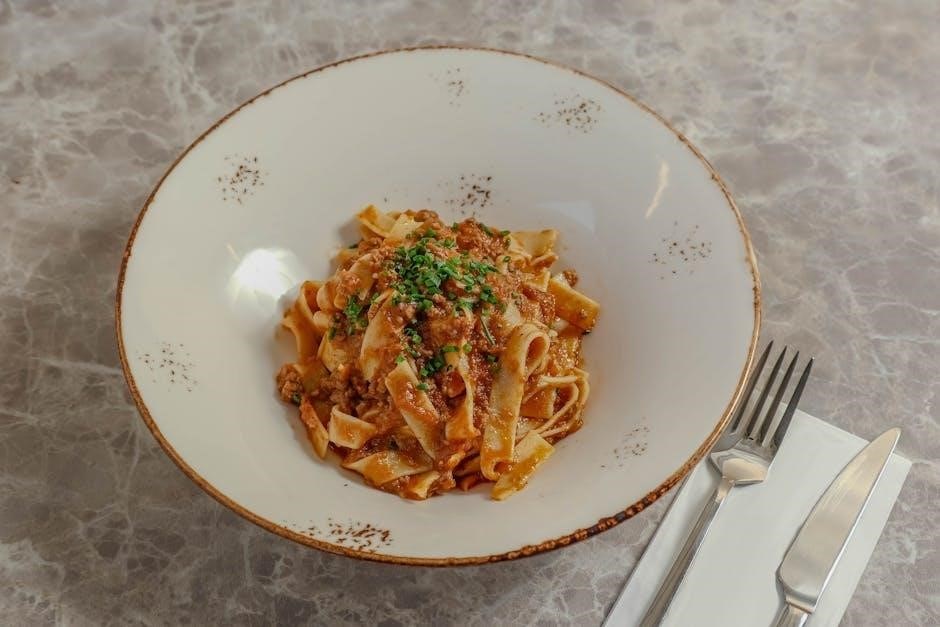
Ragu Napoletano, a cornerstone of Neapolitan cuisine, embodies culinary tradition. Numerous PDF resources detail its four-day preparation, showcasing a commitment to slow cooking and rich flavors.
Historical Origins of Ragu Napoletano
Ragu Napoletano’s roots are deeply embedded in Naples’ culinary history, evolving from the resourceful traditions of cucina povera – “poor kitchen”. Historically, less desirable cuts of meat, like pork ribs, were utilized, requiring extended cooking to achieve tenderness.
Early recipes, often passed down through families, weren’t formally documented until relatively recently, with many now appearing in PDF format. These digital archives reveal a gradual refinement of the technique over centuries. The sauce wasn’t initially a weekend project; it was a necessity, providing sustenance and flavor to large families.
The availability of tomatoes, post-Columbian exchange, significantly impacted its development, becoming a central ingredient. Today, preserving these historical methods through detailed PDF guides ensures the continuation of this beloved Neapolitan tradition.
Regional Variations within Naples
While Ragu Napoletano maintains core principles, subtle variations exist across the Naples region. Families in different neighborhoods often possess unique recipes, passed down through generations, frequently documented now in accessible PDF formats. Some prefer a richer sauce, utilizing more pork, while others emphasize the tomato’s brightness.
Coastal areas might incorporate seafood elements, a less common but intriguing adaptation. Inland, a greater focus on robust meat flavors prevails. These nuances are often detailed in specialized PDF guides dedicated to Neapolitan cuisine.
Despite these differences, the commitment to slow cooking and quality ingredients remains constant, ensuring a consistently flavorful and comforting dish. Exploring these regional PDF resources reveals the beautiful diversity within this culinary tradition.

Core Ingredients of Ragu Napoletano
Ragu Napoletano relies on pork ribs, tomato passata, white onion, and basil. Many detailed PDF recipes emphasize ingredient quality for achieving authentic, deeply satisfying flavors.
The Importance of Pork Ribs (Costine di Maiale)
Pork ribs, known as costine di maiale, are absolutely fundamental to an authentic Ragu Napoletano. They aren’t merely a component; they are the foundation of the sauce’s distinctive flavor and texture. Numerous PDF guides and traditional recipes consistently highlight their irreplaceable role.
The extended cooking process – often spanning days – necessitates a cut with ample connective tissue. This breaks down during the slow simmer, releasing collagen that enriches the sauce, creating a luxuriously smooth and velvety consistency. Leaner cuts simply won’t yield the same depth or mouthfeel. Authentic recipes, readily available in PDF format, stress using quality pork ribs for the best results, ensuring a truly Neapolitan experience.
Tomato Passata: Quality and Selection
Tomato passata forms the vibrant heart of Ragu Napoletano, and its quality is paramount. Authentic recipes, often detailed in downloadable PDF guides, emphasize selecting a passata made from San Marzano tomatoes for their naturally sweet flavor and low acidity. Avoid passatas with added sugars or preservatives; the purest form allows the other ingredients to shine.
Many PDF resources recommend checking the ingredient list – it should contain only tomatoes. The color should be a rich, deep red, indicating ripeness. A high-quality passata contributes significantly to the sauce’s overall depth and complexity, ensuring a truly authentic Neapolitan taste. Don’t compromise on this crucial element!
The Role of White Onion
White onion plays a foundational aromatic role in Ragu Napoletano, providing a subtle sweetness that balances the richness of the meat and tomatoes. Traditional recipes, frequently found in detailed PDF guides, specifically call for white onion, as it offers a milder flavor profile compared to yellow or red varieties.
The onion is slowly sautéed until translucent, creating a soffritto – a base for building layers of flavor. Many PDF resources stress the importance of patience during this stage, ensuring the onion doesn’t brown or burn. This gentle cooking process releases its natural sugars, contributing to the sauce’s overall harmony.
Fresh Basil: A Key Aromatic
Fresh basil is indispensable to Ragu Napoletano, imparting a bright, herbaceous aroma that defines the sauce’s final character. Authentic recipes, often detailed in downloadable PDF guides, emphasize adding basil towards the end of the cooking process. This preserves its delicate flavor and vibrant green color, preventing it from becoming bitter during the long simmer.
Typically, whole basil leaves are gently stirred into the ragu during the final hour, allowing their essence to infuse the sauce. Many PDF resources suggest removing the basil leaves before serving, though some prefer to leave them for visual appeal and a subtle textural element.

Detailed Cooking Process
Ragu Napoletano’s creation spans four days, a process meticulously outlined in numerous PDF recipes. Each stage—preparation, simmering, wine addition, and finishing—builds layers of flavor.
Day 1: Initial Meat Preparation & Browning
Day one focuses on preparing the costine di maiale (pork ribs), the heart of Ragu Napoletano. Many PDF guides emphasize selecting high-quality ribs. Begin by thoroughly cleaning and trimming the meat. Detailed recipes often instruct to cut the ribs into individual pieces for even browning.
The browning process is crucial; it develops a deep, savory base. PDF instructions consistently advise browning the meat in batches to avoid overcrowding the pot. This ensures each piece achieves a rich, golden-brown color. Deglazing the pot after browning, as shown in several PDF versions, captures those flavorful browned bits, adding complexity to the final sauce.
Day 2: Slow Simmering with Tomato Passata
Day two marks the introduction of passata di pomodoro, a smooth tomato puree. Authentic Ragu Napoletano PDF recipes stress the importance of quality passata – using ripe, flavorful tomatoes is key. After browning the meat, the passata is added, completely covering the ribs.
The mixture then enters a long, slow simmer. PDF guides consistently recommend maintaining a very low heat, barely a bubble, for several hours. This gentle simmering allows the flavors to meld and the meat to tenderize. Many PDF versions highlight that this extended cooking time is non-negotiable for achieving the sauce’s signature richness.
Day 3: Wine Addition and Flavor Development
Day three introduces red wine, a crucial step detailed in most Ragu Napoletano PDF recipes; A glass of robust red wine is added to the simmering sauce, deglazing the pot and lifting any flavorful browned bits from the bottom.
This addition isn’t merely for flavor; PDF guides explain it aids in tenderizing the meat further. The wine is allowed to evaporate almost completely, concentrating its flavor. Authentic recipes, often found in PDF format, emphasize patience. Continued slow simmering throughout the day allows the wine to integrate, creating a complex and nuanced flavor profile.
Day 4: Final Simmer and Basil Infusion
Day four marks the culmination of the process, as outlined in detailed Ragu Napoletano PDF guides. A final, extended simmer allows the flavors to meld completely, resulting in a sauce of incredible depth.
Crucially, fresh basil is introduced during the last hours of cooking. Many PDF recipes specify adding whole basil leaves, allowing their aroma to infuse the sauce without becoming bitter. The sauce is tasted and adjusted for seasoning. Authentic PDF versions stress that the ragu should be incredibly tender, with the meat falling off the bone, ready to be paired with pasta.

Essential Techniques for Authentic Flavor
Ragu Napoletano PDF guides emphasize low and slow cooking, proper browning, and wine deglazing. These techniques unlock the sauce’s complex, savory, and deeply satisfying flavor.
The Importance of Low and Slow Cooking
Ragu Napoletano, as detailed in numerous PDF recipes, isn’t a quick undertaking; it’s a testament to patience. The extended cooking time – often spanning several days – is absolutely crucial. This isn’t merely about convenience; it’s about transforming tougher cuts of pork ribs into incredibly tender, fall-off-the-bone morsels.
The slow simmer allows the collagen in the meat to break down, enriching the sauce with a luxurious, velvety texture. Simultaneously, the flavors meld and deepen, creating a complexity unattainable with rushed methods. PDF guides consistently highlight this, stressing that maintaining a gentle simmer, rather than a rapid boil, is paramount for achieving authentic results. It’s a process of coaxing flavor, not forcing it.
Proper Meat Browning for Depth of Flavor
Ragu Napoletano’s foundation lies in deeply browned pork ribs, a step emphasized in countless PDF recipe guides. This isn’t about cooking the meat through; it’s about developing a Maillard reaction – the chemical process creating hundreds of flavor compounds. Achieving this requires high heat and patience, searing the ribs in batches to avoid overcrowding the pot.
The resulting fond, those browned bits stuck to the bottom, are liquid gold. Deglazing with red wine, as detailed in many PDFs, lifts this fond, incorporating its intense savory notes into the sauce. Skipping this step significantly diminishes the ragu’s complexity. Proper browning is not merely cosmetic; it’s fundamental to the sauce’s character.
Deglazing the Pot with Red Wine
Deglazing is a crucial step highlighted in nearly every PDF detailing Ragu Napoletano. After browning the pork ribs, a generous pour of dry red wine into the hot pot releases the flavorful fond – the caramelized meat bits stuck to the bottom. This process, often shown visually in recipe PDFs, lifts those concentrated flavors, preventing them from burning and incorporating them into the sauce.
The wine’s acidity also helps break down any remaining stubborn bits. Many traditional recipes, found in downloadable PDF formats, specify a full glass of wine. Allowing the wine to simmer and reduce slightly intensifies its flavor, creating a richer, more complex base for the long, slow simmer to follow.
Serving Suggestions & Pasta Pairings
Ragu Napoletano, as detailed in many PDF guides, traditionally pairs with specific pasta shapes like ziti or paccheri, enhancing the sauce’s rich, meaty profile.
Traditional Pasta Shapes for Ragu Napoletano
Ragu Napoletano demands pasta capable of holding its substantial, flavorful weight. Numerous PDF recipe collections emphasize the importance of shape selection. Ziti, long, hollow tubes, are a classic choice, allowing the sauce to penetrate and coat every surface. Paccheri, large, wide tubes, offer a similarly satisfying experience, providing ample space for the ragu to nestle within.
Other suitable options include rigatoni, with its ridged surface, and penne, though these are less frequently used in traditional Neapolitan preparations. Avoid delicate pasta shapes like angel hair, as they will be overwhelmed by the sauce’s intensity. The pasta should complement, not compete with, the ragu’s robust character, as highlighted in authentic PDF guides.
Garnishing and Finishing Touches
Ragu Napoletano, once plated, benefits from simple yet impactful finishing touches. Authentic PDF recipes consistently emphasize fresh basil as the primary garnish, its vibrant green offering a visual contrast to the rich, dark sauce. A generous grating of aged Pecorino Romano cheese is also common, adding a salty, umami-rich dimension.
Avoid overpowering the ragu with excessive garnishes; the focus should remain on the sauce’s complex flavors. A drizzle of high-quality extra virgin olive oil can enhance the overall richness. Many traditional PDF guides suggest a final sprinkle of freshly cracked black pepper. These subtle additions elevate the dish, completing the culinary experience.
Ragu Napoletano vs. Ragu Bolognese
Ragu Napoletano and Bolognese differ significantly in ingredients and method. PDF comparisons highlight pork ribs in the former, while Bolognese favors beef and a creamy, milk-based start.
Key Differences in Ingredients
Ragu Napoletano distinguishes itself through specific ingredient choices, notably the essential use of pork ribs (costine di maiale), a defining characteristic absent in Ragu Bolognese. While both utilize tomatoes, Ragu Napoletano traditionally relies on simple tomato passata, prioritizing the meat’s flavor. Conversely, Bolognese often incorporates tomato paste alongside fresh tomatoes.
Further divergence lies in dairy; Bolognese frequently includes milk or cream for richness, a component entirely absent in the Neapolitan version. Onion selection also differs – Ragu Napoletano calls for white onion, while Bolognese recipes sometimes incorporate carrots and celery alongside onion. Examining PDF recipe comparisons clearly illustrates these ingredient distinctions, emphasizing the unique character of each sauce.
Contrasting Cooking Methods
Ragu Napoletano’s preparation is a multi-day affair, emphasizing an exceptionally long, slow simmer – often spanning four days – to achieve unparalleled tenderness and depth of flavor. Many PDF guides detail this process, highlighting initial meat browning followed by extended simmering in tomato passata. Wine is added later, contributing to flavor development.
Ragu Bolognese, while also slow-cooked, generally requires a shorter timeframe. It often involves searing the meat with vegetables initially, then deglazing with wine before adding tomatoes and a dairy component. The Neapolitan method prioritizes meat flavor, while Bolognese aims for a richer, more complex sauce. These differing approaches, documented in numerous recipes, define each ragu’s unique character.
Flavor Profile Comparison
Ragu Napoletano boasts a robust, intensely meaty flavor, primarily derived from the pork ribs (costine di maiale) and the extended cooking time. The tomato passata provides a bright acidity, balanced by the sweetness of slowly caramelized onions and the freshness of basil. Many PDF recipes emphasize this pure, unadulterated meatiness.
Ragu Bolognese, conversely, presents a more layered and nuanced flavor profile. The inclusion of milk or cream contributes richness, while the addition of pancetta or prosciutto adds a salty, savory depth. It’s a more complex sauce, often featuring nutmeg and other aromatics. Comparing detailed recipes, often found in PDF format, reveals these distinct characteristics.

Troubleshooting Common Issues
Ragu Napoletano challenges are addressed in many PDF guides. Acidity can be balanced with sugar, tenderness requires longer simmering, and thinning needs reduction—adjusting as needed.
Sauce Too Acidic?
A common issue when crafting Ragu Napoletano, excessive acidity in the sauce is frequently discussed within detailed PDF recipe guides. The primary culprit is often the tomatoes themselves; variations in ripeness and type significantly impact the final flavor profile.
Fortunately, this is easily remedied. Many traditional recipes suggest incorporating a small amount of sugar – typically a teaspoon or two – during the simmering process. This counteracts the tartness without overly sweetening the sauce. Another technique, detailed in several online resources and PDFs, involves adding a pinch of baking soda, but caution is advised as overuse can alter the texture.
Finally, ensuring a sufficiently long cooking time allows the acids to mellow naturally, creating a more balanced and harmonious flavor.
Meat Not Tender Enough?
Achieving melt-in-your-mouth tenderness with the pork ribs (costine di maiale) is crucial for authentic Ragu Napoletano, and a frequent concern addressed in numerous PDF recipe compilations. The key lies in the extended, low-and-slow cooking process, a hallmark of Neapolitan cuisine.
If, despite this, the meat remains tough, several adjustments can be made. Many PDF guides recommend ensuring the meat is fully submerged in liquid throughout the simmering period. Additionally, some recipes suggest a preliminary braising step, further breaking down the connective tissues.
Finally, patience is paramount; the four-day process isn’t merely tradition, but a necessity for optimal tenderness.
Sauce Too Thin?
A common issue when preparing Ragu Napoletano, frequently discussed in detailed PDF recipe guides, is achieving the desired sauce consistency. The long simmering time should naturally reduce the liquid, but variations can occur. Many authentic recipes emphasize the importance of using high-quality, thick tomato passata as a starting point.
If the sauce remains too thin after the four-day cooking process, several techniques can be employed. PDF resources often suggest removing the lid during the final simmering stage to encourage evaporation. Alternatively, a small amount of tomato paste can be added and cooked in to thicken the sauce.

Avoid using flour or cornstarch, as these are not traditional methods.
Finding Ragu Napoletano Recipes (PDF & Online)
Ragu Napoletano recipes are widely available online and as downloadable PDF guides, detailing the traditional four-day process for authentic flavor and texture.
Resources for Authentic Recipes
Numerous online platforms and downloadable PDF documents offer authentic Ragu Napoletano recipes, catering to both beginner and experienced cooks. Websites dedicated to Italian cuisine frequently host detailed instructions, often accompanied by visual guides. Searching for “ragù napoletano ricetta tradizionale PDF” yields several printable versions, including those from Italian culinary institutes.
Specifically, resources detailing the four-day preparation method are highly recommended for achieving the sauce’s signature depth of flavor. Many blogs and food websites provide step-by-step instructions, alongside personal anecdotes and tips for success. Exploring Italian food forums can also uncover hidden gems and variations passed down through generations. Remember to prioritize recipes emphasizing quality ingredients and patient simmering.
Printable PDF Versions of Recipes
Finding printable PDF versions of Ragu Napoletano recipes simplifies the cooking process, allowing for easy reference in the kitchen. Several websites offer downloadable PDFs, ensuring accessibility even without constant internet access. A search for “ricetta ragù napoletano tradizionale PDF” reveals numerous options, often including detailed ingredient lists and step-by-step instructions.
These PDFs frequently feature recipes emphasizing the traditional four-day cooking method, crucial for developing the sauce’s characteristic richness. Look for versions originating from reputable Italian culinary sources or experienced home cooks. Printing these recipes allows for annotation and personalization, creating a cherished family heirloom. Ensure the PDF is clearly formatted and easy to read before printing.
The Cultural Significance of Ragu Napoletano
Ragu Napoletano transcends mere sustenance; it’s a family tradition. PDF recipes preserve this heritage, passed down through generations, embodying Neapolitan culinary identity and warmth.
Ragu as a Family Tradition
Ragu Napoletano isn’t simply a dish; it’s a deeply ingrained family ritual in Naples. The extended cooking time – often spanning four days – necessitates participation and anticipation, fostering togetherness. Many families possess handwritten PDF versions of their nonna’s recipe, carefully guarded and amended over decades.
The preparation itself becomes a social event, with each member contributing to tasks like chopping vegetables or browning the meat. The aroma permeating the house signals comfort and impending celebration. Sharing Ragu Napoletano is an expression of love and a connection to ancestral roots, solidifying familial bonds with every delicious bite. These treasured PDF documents represent more than just instructions; they embody a legacy.
Ragu and Neapolitan Cuisine
Ragu Napoletano stands as a prime example of Neapolitan culinary philosophy: simplicity, quality ingredients, and patient execution. Unlike quicker sauces, its lengthy simmer transforms humble components into a complex, deeply satisfying experience. Numerous online resources and downloadable PDF guides emphasize the importance of pork ribs (costine di maiale) and high-quality tomato passata.
This sauce isn’t merely an accompaniment; it defines a meal. Traditionally served with specific pasta shapes, it showcases the region’s dedication to pairing textures and flavors. Accessing authentic recipes, often found as PDF documents, reveals a commitment to preserving this vital aspect of Neapolitan gastronomic heritage, a true taste of Southern Italy.