4-Week Endometriosis Diet Plan Overview
The 4-week Endometriosis Diet Plan PDF offers a science-backed, anti-inflammatory menu designed to reduce pain and bloating․ It includes 75 healing recipes, balanced macros, and flexible portions, aiming to improve energy, gut health, and hormonal balance․ For those seeking symptom focused plan
What Is Endometriosis?
Endometriosis is a chronic, estrogen‑driven condition in which tissue resembling the uterine lining grows outside the uterus, commonly on ovaries, fallopian tubes, and pelvic peritoneum․ This ectopic tissue responds to the menstrual cycle, thickening, bleeding, and provoking inflammation․ Symptoms vary but often include dysmenorrhea, chronic pelvic pain, dyspareunia, dyschezia, infertility, and fatigue․ The exact cause remains unclear; theories involve retrograde menstruation, immune dysfunction, genetic predisposition, and environmental factors․ Diagnosis typically requires a combination of medical history, pelvic examination, imaging (ultrasound or MRI), and definitive laparoscopy with histological confirmation․ Endometriosis affects roughly 10% of reproductive‑age women worldwide, with a significant economic and psychosocial burden due to pain, reduced quality of life, and potential infertility․ Management strategies range from hormonal therapy and analgesics to surgical excision, but many patients seek complementary approaches, including dietary modifications, to alleviate symptoms and improve overall well‑being․ Risk factors include a family history of endometriosis, early menarche, short menstrual cycles, high body mass index, and exposure to environmental endocrine disruptors such as bisphenol A and phthalates, all of which may amplify estrogenic activity and inflammatory pathways that facilitate ectopic endometrial implantation and persistence․ Moreover, chronic inflammation can trigger oxidative stress, leading to DNA damage and further exacerbating the disease’s progression for patients daily
Scientific Basis of the Diet Plan
The diet also prioritizes hydration, recommending 2–2․5 liters of water daily, and the use of anti‑inflammatory herbal teas such as ginger and turmeric․ Tracking meals helps identify triggers, while mindful eating reduces cortisol that can worsen symptoms․ Stay consistent now
Week 1: Foundation Phase
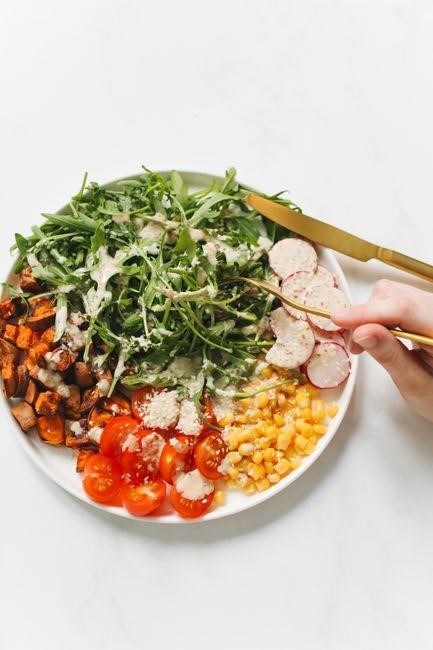
Week 1 focuses on building a nutrient‑dense base: lean proteins, leafy greens, whole grains, and healthy fats․ It limits processed foods and added sugars, while encouraging anti‑inflammatory spices like turmeric․ Daily logs track pain, digestion, and energy to tailor future meals․ Keep hydrated․
Key Foods and Avoidances
In the foundation week of the 4‑week Endometriosis Diet Plan PDF, the emphasis is on foods that support hormonal balance, reduce inflammation, and promote gut health․ The plan highlights the following key foods to incorporate:
- Leafy greens – spinach, kale, collard greens provide magnesium and iron․
- Omega‑3 rich sources – salmon, sardines, chia seeds help lower prostaglandin production․
- Whole grains – quinoa, barley, oats provide fiber․
- Fermented foods – sauerkraut, kimchi, kefir, kombucha․
- Healthy fats – avocado, nuts, olive oil․
Conversely, the PDF advises limiting or avoiding foods that can exacerbate symptoms:
- Red meat and processed meats – high in saturated fats and heme iron that may increase estrogen․
- Gluten‑containing grains – wheat, barley, rye can trigger gut permeability․
- Dairy products – whole‑fat cheese and butter can elevate estrogen levels․
- High‑FODMAP foods – onions, garlic, certain legumes may worsen bloating․
- Added sugars and refined carbs – sugary drinks, pastries, white bread spike insulin and inflammation․

By following these guidelines, users create a balanced plate that supports endocrine health, reduces pain flare‑ups, and promotes overall well‑being daily often․
Sample Meal Plan
Day 1: Breakfast – chia pudding with almond milk, blueberries, and a sprinkle of ground flaxseed․ Snack – carrot sticks with hummus․ Lunch – quinoa salad with roasted sweet potato, kale, chickpeas, and lemon‑olive oil dressing․ Snack – a handful of walnuts; Dinner – baked salmon, steamed broccoli, and a side of brown rice․ Dessert – a square of dark chocolate!
Day 2: Breakfast – green smoothie (spinach, cucumber, green apple, ginger, and coconut water)․ Snack – sliced apple with almond butter․ Lunch – lentil soup with carrots, celery, and diced tomatoes, served with a slice of gluten‑free bread․ Snack – a cup of kefir․ Dinner – tofu stir‑fry with bell peppers, snow peas, and tamari sauce over quinoa․ Dessert – frozen berries․
Day 3: Breakfast – oatmeal topped with sliced banana, chia seeds, and a drizzle of maple syrup․ Snack – cucumber slices with guacamole․ Lunch – mixed‑greens salad with grilled chicken, avocado, pumpkin seeds, and apple cider vinaigrette․ Snack – a small handful of pumpkin seeds․ Dinner – shrimp and vegetable curry with coconut milk, served over cauliflower rice․ Dessert – a cup of herbal tea․
Day 4: Breakfast – scrambled eggs with sautéed spinach and mushrooms․ Snack – a pear․ Lunch – Mediterranean bowl with farro, roasted eggplant, cherry tomatoes, olives, and feta (optional)․ Snack – a handful of almonds․ Dinner – roasted turkey breast, sautéed asparagus, and a side of quinoa․ Dessert – a slice of fruit tart․
Week 2: Anti-Inflammatory Focus
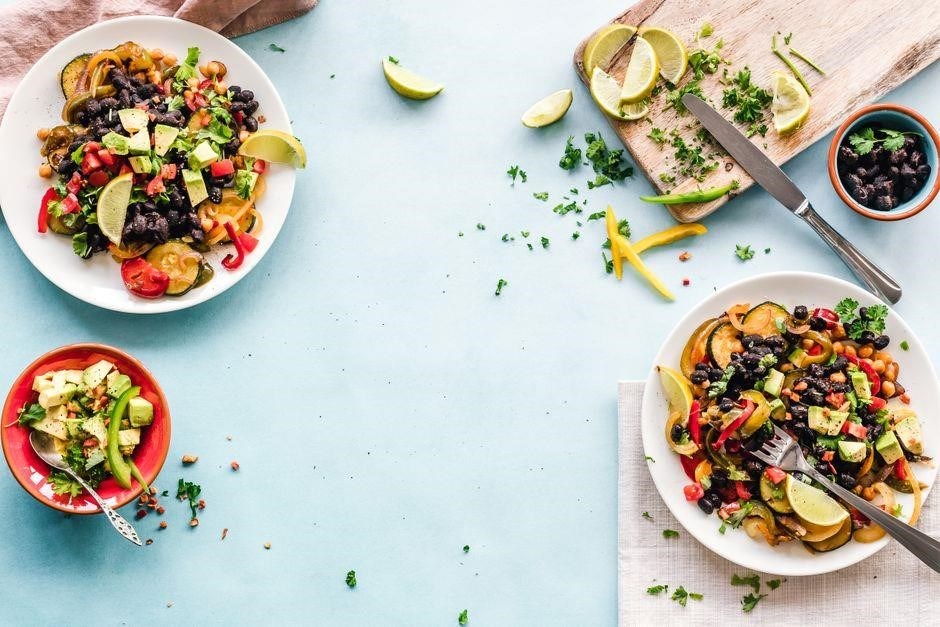
Week two focuses on anti‑inflammatory foods—omega‑3 rich fish, leafy greens, berries, nuts, and seeds․ Reduce processed carbs, red meat, and dairy․ Add turmeric, ginger, and leafy herbs to meals for hormonal balance and pain relief․ This plan also encourages mindful eating and regular hydration․
Omega-3 Rich Foods
Omega‑3 fatty acids are pivotal in dampening chronic inflammation that fuels endometriosis flare‑ups․ Incorporate fatty fish such as salmon, mackerel, sardines, and trout—aim for 2–3 servings per week—to deliver EPA and DHA directly․ For those preferring plant sources, flaxseed, chia seeds, hemp seeds, and walnuts provide ALA, which the body partially converts to EPA/DHA․ A tablespoon of ground flaxseed in smoothies or oatmeal, a sprinkle of chia on yogurt, or a handful of walnuts as a snack can boost intake․ Algal oil capsules are a vegan alternative, offering DHA without fishy aftertaste․ Pair these foods with antioxidant‑rich vegetables—spinach, kale, broccoli—to maximize anti‑inflammatory synergy․ A balanced plate featuring omega‑3s, fiber, and low‑glycemic carbs helps stabilize estrogen metabolism, potentially reducing estrogen‑driven lesion growth․ Aim for consistent daily inclusion, and consider a high‑quality fish oil supplement if dietary sources fall short․ Regular consumption may lower prostaglandin production, ease pelvic pain, and improve overall hormonal equilibrium, supporting a calmer, more resilient body during the 4‑week plan․ Cooking methods matter; lightly grilling or steaming fish preserves omega‑3 content better than deep‑frying․ When preparing plant‑based meals, add a drizzle of extra‑virgin olive oil to further enhance absorption of fat‑soluble nutrients․ Monitor your body’s response: if you notice digestive discomfort, reduce ALA‑rich seeds gradually, as they can be high in fiber․ Finally, hydration is key—water facilitates the circulation of anti‑inflammatory mediators, so aim for at least eight glasses daily․ Incorporating omega‑3s into breakfast, lunch, and dinner ensures steady supply throughout the day․ For example, a salmon salad for lunch, chia pudding for breakfast, and a walnut‑topped stir‑fry for dinner create a balanced rhythm․ Consistency is more important than perfection; small, regular servings accumulate significant benefits over weeks․ Remember, the goal is gradual, sustainable change rather than abrupt restriction․
Fermented Foods for Gut Health
Fermented foods are a cornerstone of the 4‑week Endometriosis Diet Plan PDF, offering probiotics that modulate the gut microbiome and reduce systemic inflammation․ Yogurt, kefir, kimchi, sauerkraut, and kombucha provide live cultures such as Lactobacillus plantarum, Bifidobacterium longum, and Saccharomyces boulardii․ These microbes balance intestinal flora, enhance barrier integrity, and lower endotoxin translocation linked to estrogen metabolism and endometriosis flare‑ups․ Incorporate a daily serving of fermented dairy or plant‑based yogurt, a tablespoon of kimchi in a stir‑fry, or a small cup of kombucha with meals․ For dairy‑sensitive individuals, fermented soy products like miso or tempeh are good alternatives, delivering protein and probiotics․ Homemade fermented vegetables—quick 48‑hour cabbage, carrot, and garlic brine—yield a tangy, probiotic‑rich sauerkraut․ Rotate strains by alternating yogurt, kefir, kimchi, and kombucha to expose the gut to diverse bacteria․ Pair fermented foods with prebiotic fibers—chicory root, garlic, onions—to feed the beneficial microbes․ Avoid commercial kombucha with added sugars; choose plain, unflavored varieties․ Consistency matters: aim for at least three servings per week, gradually increasing to five as tolerance builds․ Monitor symptoms: mild bloating may indicate fermentation is working, but severe gas or cramping may signal over‑fermentation; adjust portions accordingly․ By integrating fermented foods into breakfast, lunch, and dinner, the diet plan supports a resilient gut, potentially reducing estrogen‑driven inflammation and alleviating pain over the 4‑week cycle․ Gut wins now․
Week 3: Symptom Management
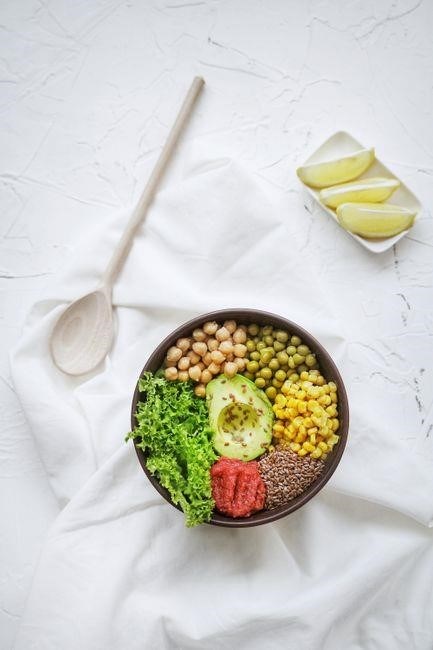
Week 3 focuses on symptom relief․ The PDF recommends low‑estrogen foods, anti‑inflammatory spices, and gentle hydration․ Incorporate turmeric, ginger, and magnesium‑rich leafy greens to ease cramps․ Track pain levels daily to adjust portions and identify triggers․ Add a probiotic capsule daily․ now․
Reducing Estrogen-Boosting Foods
Estrogen‑boosting foods can worsen endometriosis symptoms by increasing circulating hormone levels․ The 4‑week Endometriosis Diet Plan PDF advises limiting high‑fat dairy, processed meats, sugary snacks, and alcohol, all of which stimulate estrogen synthesis․ Instead, focus on plant‑based proteins, whole grains, and plenty of fiber to bind excess hormones and promote excretion․ Incorporate cruciferous vegetables such as broccoli, cauliflower, and Brussels sprouts, which contain indole‑3‑carbinol, a compound that supports estrogen metabolism․ Also, choose foods rich in phytoestrogens that act as weak estrogen antagonists, like flaxseed, sesame seeds, and soy products, to help balance hormone levels without overstimulation․ Additionally, the plan recommends reducing refined carbohydrates and caffeine, which can elevate cortisol and indirectly influence estrogen production․ By consciously selecting foods that lower estrogen activity, patients can experience reduced pelvic pain, fewer flare‑ups, and improved overall well‑being․ To further curb estrogen, add omega‑3‑rich foods such as wild salmon, sardines, and walnuts, which help modulate inflammation and hormone signaling․ A daily cup of green tea, rich in catechins, can also aid in estrogen conjugation and excretion․ Finally, maintain adequate hydration and consider a daily probiotic to support gut microbiota, which plays a role in estrogen metabolism․ Track intake daily to spot patterns and tweak meals and now notes
Incorporating Spices for Pain Relief
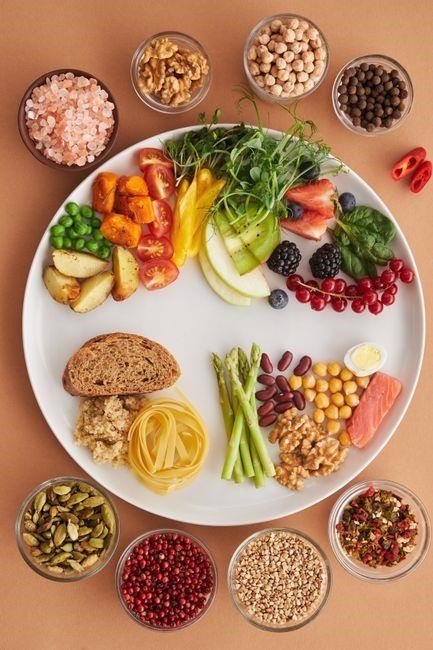
In the 4‑week Endometriosis Diet Plan PDF, spices are highlighted as natural analgesics that can ease dysmenorrhea and chronic pelvic discomfort․ Turmeric, with its active compound curcumin, is recommended in a 1–2 tsp daily dose, often combined with a pinch of black pepper to enhance absorption․ Ginger, 1–2 tsp grated or 1–2 cups of ginger tea, offers prostaglandin‑inhibiting effects that blunt menstrual cramps․ Cinnamon, ½–1 tsp, not only adds flavor but also stabilizes blood sugar, reducing estrogen spikes that exacerbate pain․ Cayenne pepper, ¼–½ tsp, stimulates endorphin release and improves circulation, providing a mild, natural numbing sensation․ Cardamom, ½–1 tsp, has been traditionally used to soothe abdominal spasms and support digestion․ Adding a dash of oregano or thyme can further reduce inflammation through their phenolic compounds․ The plan suggests incorporating these spices into soups, stews, smoothies, or as a finishing sprinkle on roasted vegetables, ensuring consistent intake․ By integrating a daily “spice blend” of turmeric, ginger, cinnamon, and cayenne into meals, patients can experience measurable reductions in pain scores and a smoother menstrual cycle, all while avoiding pharmaceutical interventions․ Additionally, preparing a warm spice‑infused broth at bedtime can promote relaxation and reduce nighttime pain flare‑ups, while a small cup of turmeric‑ginger tea before meals may aid digestion and lower inflammatory markers․ The PDF also advises using fresh herbs like basil or parsley to complement the spice profile, as their antioxidant properties further support hormonal balance and reduce oxidative stress linked to endometriosis․ Consistent use of these spices may improve, easing discomfort overall daily today!!

Week 4: Consolidation and Tracking
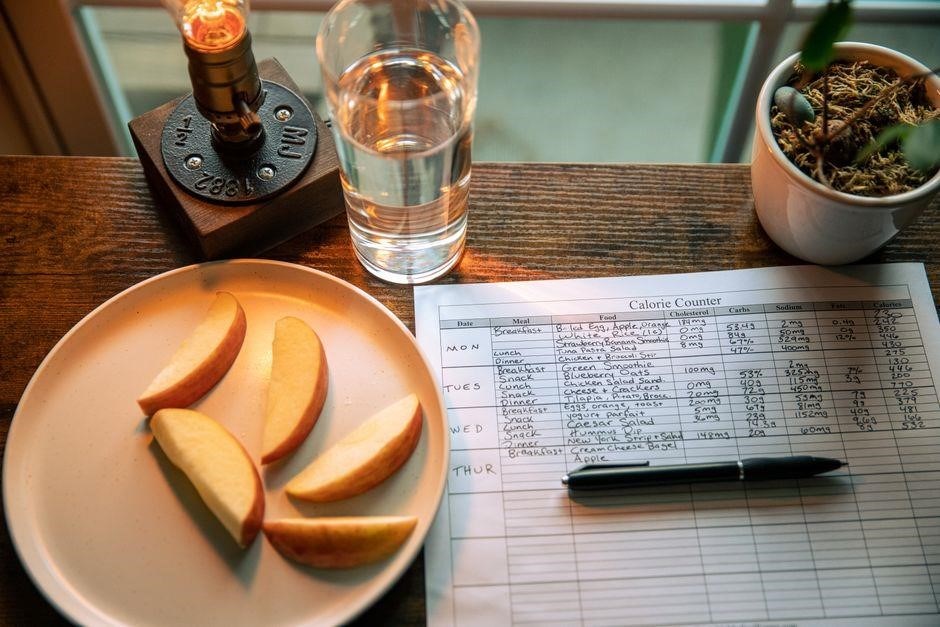
Use the PDF’s tracking sheet to log meals, pain levels, and mood daily․ Compare week‑to‑week changes, noting which recipes reduce symptoms․ Adjust portions or spice blends based on data, ensuring the plan remains personalized and effective․ Keep tracking․!!
Progress Monitoring and Adjustments
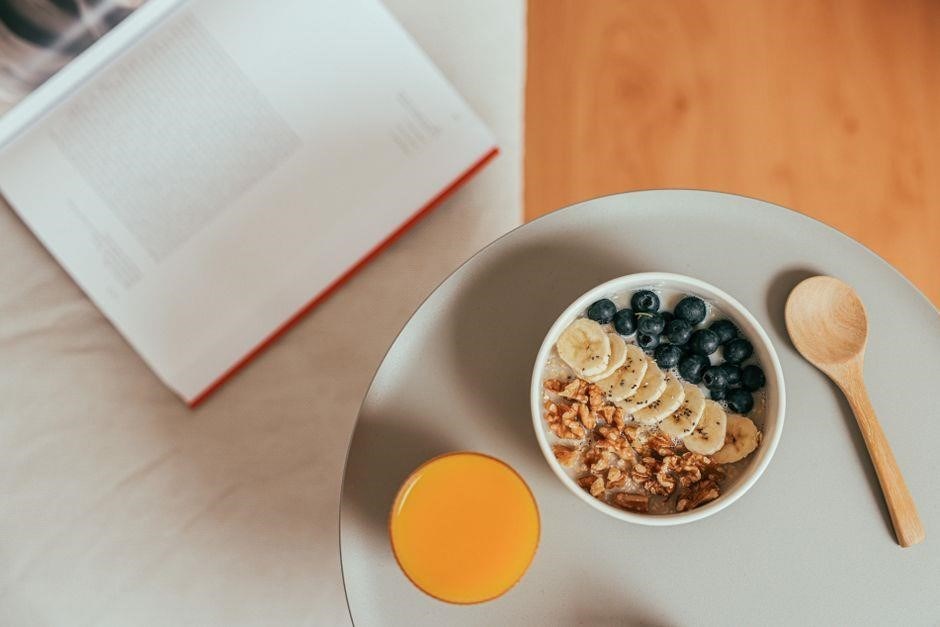
Track daily intake and symptom scores using the PDF’s built‑in log․ Record pain (0‑10), bloating, fatigue, and mood for each meal․ At week‑four’s review, calculate average scores and compare them to baseline․ Identify foods that consistently lower pain or improve energy․ If a particular recipe spikes discomfort, note the ingredient and consider swapping or reducing portion size․ Adjust the plan by substituting high‑FODMAP items with low‑FODMAP alternatives, adding omega‑3 sources such as chia or flaxseed, or incorporating fermented foods like kefir or kimchi to support gut health․ Monitor weight, hormone‑related changes, and overall well‑being; If symptoms persist, increase anti‑inflammatory foods, reduce refined carbs, and ensure adequate fiber․ Finally, schedule a follow‑up with a nutritionist or clinician to interpret data, refine the plan, and set realistic goals for the next month․ Consistent tracking ensures the diet remains responsive to your body’s evolving needs․
Remember to hydrate adequately, aiming for 2–3 liters of water daily, as dehydration can worsen bloating and fatigue․ Incorporate light to moderate exercise, such as walking or yoga, to promote circulation and reduce stress hormones․ Keep a symptom diary to capture subtle changes, and review it weekly with your healthcare provider․ Adjust the plan as needed, and celebrate small victories to stay motivated․ Consistency and self‑compassion are key to long‑term success․ Additionally, consider integrating guided meditation or breathing exercises to help manage stress and improve sleep quality, which can alleviate endometriosis symptoms․ Consistent celebrate progress daily․