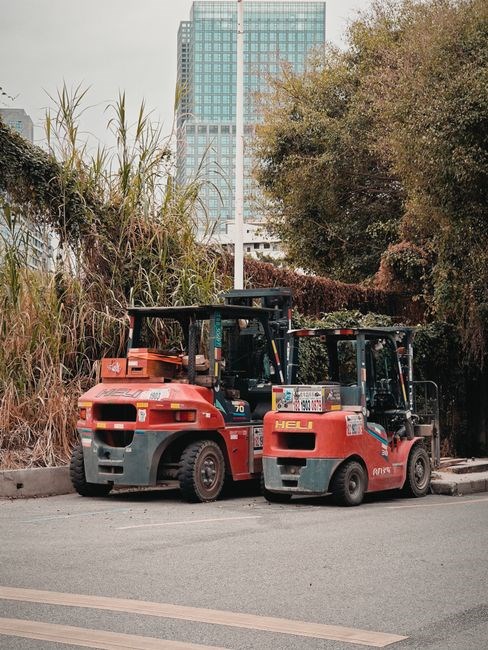
This manual outlines essential maintenance practices for Hyster forklifts, ensuring reliability, safety, and compliance. It covers routine checks, lubrication, electrical care, hydraulic servicing, and brake inspections, tailored for operators and technicians worldwide. daily for all
Purpose, Scope, and Intended Users
This manual serves as a comprehensive guide for the maintenance of Hyster forklifts, detailing procedures that promote operational reliability, extend equipment life, and uphold safety standards across diverse industrial settings. Its purpose is to provide clear, step‑by‑step instructions for routine inspections, lubrication, hydraulic servicing, electrical upkeep and brake system checks, ensuring that every component functions within manufacturer specifications and regulatory requirements. The scope encompasses all Hyster forklift models currently in service, including electric,internal‑combustion, and hybrid variants, and addresses both day‑to‑day field maintenance and scheduled preventive programs. Intended users comprise certified maintenance technicians, on‑site service personnel, fleet managers, and safety officers who are responsible for the upkeep of forklift fleets. Users are expected to possess a foundational understanding of forklift mechanics, basic electrical theory, and hydraulic principles, and to follow all safety protocols outlined in this manual. By adhering to the procedures herein, organizations can reduce downtime, improve operator safety, and achieve compliance with OSHA, ISO, and other industry standards. This manual is designed to be a living document, updated periodically to reflect new model releases, regulatory changes, and best‑practice advancements. The manual also incorporates troubleshooting guidelines, diagnostic checklists, and recommended service intervals tailored to load factors and operating environments. It emphasizes the importance of record‑keeping, data analysis, and improvement cycles to identify wear patterns and prevent catastrophic failures. Furthermore, the document highlights integration with fleet management software, enabling monitoring of battery health and hydraulic pressure. By following these structured procedures, operators can maintain compliance with safety regulations, reduce maintenance costs, extend the lifespan of their forklift assets.
Safety and Compliance
All maintenance tasks must follow Hyster’s safety guidelines andlocal regulations. Operators wear PPE, lock‑out/tag‑out, and verify no live circuits before work. Regular inspections confirm compliance with OSHA, ISO 3691, and service now intervals, ensuring safe operation.!
Personal Protective Equipment, Hazard Identification, and Regulatory Standards
Before any maintenance on a Hyster forklift, operators must don the full set of personal protective equipment (PPE) mandated by OSHA and Hyster’s own safety protocol. This includes a hard‑hat, safety glasses or face shield, high‑visibility vest, hearing protection, and steel‑toed work boots. Respiratory protection is required when working in confined spaces or when handling fuels, oils, or hydraulic fluids that may emit hazardous vapors. PPE selection should follow the hierarchy of controls, prioritizing engineering controls, but when hazards cannot be eliminated, PPE must be used consistently. Hazard identification begins with a thorough walk‑through of the maintenance area, locating electrical, mechanical, chemical, and physical risks. Lock‑out/tag‑out procedures isolate live circuits and moving parts. Chemical hazards from fuels and lubricants demand proper storage, labeling, and spill containment. Physical hazards such as slips, trips, and falls are mitigated by clear walkways, non‑slip mats, and adequate lighting. Regulatory standards such as OSHA 29 CFR 1910.178, ISO 3691‑1, and local environmental rules govern maintenance. Compliance requires documented procedures, signed checklists, and periodic audits. Hyster’s manual aligns with these standards, providing step‑by‑step instructions for lock‑out/tag‑out, PPE usage, and hazard mitigation. All personnel must complete annual safety training and demonstrate competency before performing any service tasks. Non‑compliance can lead to fines, downtime, or injuries.
Pre-Operational Checks
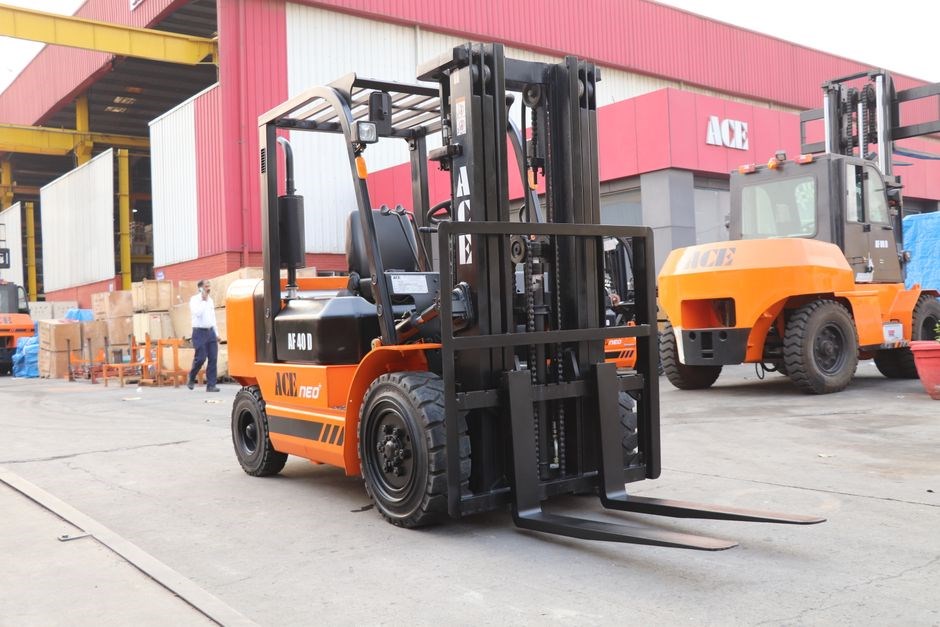
Before starting, inspect the forklift for leaks, verify fluid levels, check tire pressure, confirm battery charge, test horn and lights, ensure load capacity marks are visible, and confirm hydraulic fluid clarity. Perform a quick walk‑around for safety.
All logged!!.
Visual Inspection, Fluid Levels, and Load Capacity Verification
Begin each shift by performing a comprehensive visual inspection of the forklift chassis, boom, mast, and hydraulic cylinders. Look for cracks, dents, or corrosion on structural components and ensure all safety guards are intact. Inspect the operator’s seat, seatbelt, and control panel for wear or loose connections.
Check all fluid reservoirs: engine oil, hydraulic fluid, coolant, and transmission fluid. Verify levels against manufacturer’s specifications, topping up with the correct grade if necessary. Inspect hoses, fittings, and connections for leaks, bulges, or signs of wear. Replace any damaged hoses immediately to prevent hydraulic loss.
Confirm the forklift’s load capacity by reviewing the manufacturer’s load chart, which is typically located on the mast or in the operator’s manual. Verify that the current load does not exceed the rated capacity for the specific boom angle and lift height. Ensure that load indicators, if present, are functioning correctly and that the load is centered to maintain stability.
Finally, document all findings in the maintenance log, noting any discrepancies or corrective actions taken. This record ensures traceability and helps maintain compliance with safety regulations.
All observations should be logged with date, time, and operator initials. Must be reported to maintenance! and corrective! action logged. Regular audits of inspection records help identify recurringand improve fork lift reliability!. Daily!

Routine Lubrication
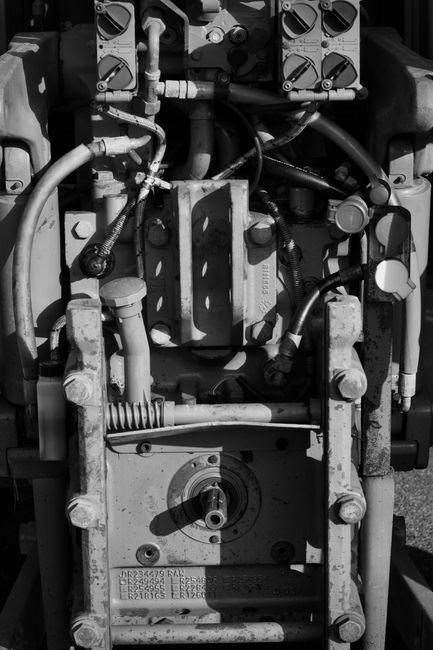
Perform daily lubrication of the forklift’s engine, hydraulic cylinders, PTO shaft, and mechanical bearings using the specified Hyster lubricant. Follow the manufacturer’s torque settings and schedule to prevent wear, extend component life, and ensure safe operation. Follow the chart for optimal intervals.
Engine, Hydraulic, PTO, and Mechanical Bearing Lubrication
Engine lubrication is critical for maintaining optimal combustion and reducing wear. Use the Hyster‑specified 10W‑30 SAE engine oil, adding a high‑temperature additive if operating in extreme heat. Check oil level before each shift, top off to the “MAX” line, and change the oil every 500 hours or 3 months, whichever comes first. The hydraulic system requires a 0.05 µm filter and a 10W‑40 hydraulic fluid. Apply the fluid to the reservoir, then circulate for 5 minutes to purge air. Inspect the filter for contamination and replace it at the 1,000‑hour interval. PTO lubrication is essential for smooth power transfer; use a 10W‑30 gear oil and apply the recommended 0.5 oz per shaft. Inspect the PTO shaft for wear and replace the bearing if the pitch marks exceed 0.02 mm. Mechanical bearings on the mast and forks should be greased with a high‑performance grease (ZPT or equivalent). Grease the bearings at the 200‑hour mark and re‑grease every 400 hours. Maintain a detailed log of each lubrication event, noting dates, oil types, and any anomalies. This disciplined approach ensures extended component life, reduces downtime, and keeps the forklift operating within safety parameters.
Adhering to the Hyster maintenance schedule guarantees consistent performance. Store lubricants in an area away from sunlight to prevent oxidation. Before each application, inspect the oil’s color and viscosity; a dark, gritty appearance indicates contamination and requires replacement. Document the batch number and expiry date on the log. Test the hydraulic fluid’s viscosity index to ensure it remains within the range, thereby safeguarding the hydraulic pump and cylinders from wear.
Electrical and Battery Maintenance
Clean battery terminals, remove corrosion, apply anti‑corrosion spray. Check voltage with multimeter; charge if below 12.5 V. Replace battery after 3,000 cycles. Inspect wiring for frays, tighten connections, test fuses regularly to ensure reliable operation.!
Battery Care, Charging Systems, and Wiring Inspections
Battery care is essential for Hyster forklift reliability. Inspect the battery shift for cracks and corrosion, and ensure secure mounting. Clean terminals with a wire brush, remove corrosion, and apply anti‑corrosion spray. Check electrolyte level in lead‑acid cells; top up with distilled water to the marked line, avoiding overfilling. Verify resting voltage with a calibrated voltmeter; a healthy battery reads 12.5–12.8 V. If voltage falls below 12.5 V, charge using the built‑in charger at the recommended rate, monitoring indicator lights and temperature. Perform weekly wiring inspections: examine battery cables for fraying, kinks, or corrosion; tighten terminal screws to specified torque and replace damaged cables with OEM‑approved parts. Conduct a load test by operating the forklift for 30 minutes under normal conditions, ensuring voltage stays above 12.0 V. Record results in the maintenance log. If voltage drops, schedule battery replacement. Inspect ventilation for airflow; clear obstructed vents to prevent overheating. Ensure the compartment is debris‑free and ducts are clear. Maintain a detailed log of all inspections and repairs, noting dates and parts replaced daily.
Hydraulic System Service
Hydraulic system service ensures safe lift operations. Inspect hoses for cracks, check fluid level, replace filter, calibrate pressure gauge, and test for leaks. Follow manufacturer’s torque specs and record all actions in the maintenance log. Check return line pressure purge air verify seal integrity.!
Pressure Gauge Calibration, Leak Detection, and Filter Replacement
Calibrating the hydraulic pressure gauge is a critical step that guarantees accurate load readings and prevents over‑pressure conditions. Begin by disconnecting the hydraulic power unit and allowing the system to depressurize fully. Use a calibrated pressure transducer or a calibrated gauge set to verify the gauge reading against a known standard. Adjust the gauge’s internal screw or electronic calibration setting until the displayed pressure matches the reference value within the manufacturer’s tolerance band, typically ±1 psi for small forklifts or ±2 psi for larger models. Document the calibration date, the reference standard used, and the final reading in the maintenance log.
Leak detection follows the same systematic approach. Inspect all hydraulic hoses, fittings, and cylinder seals for signs of oil seepage. Employ a dye‑additive or a pressure‑test kit to identify micro‑leaks that may not be visible to the naked eye. When a leak is found, replace the affected component with the correct OEM part, ensuring proper torque settings are applied. After repairs, re‑pressurize the system and re‑check the gauge to confirm that the pressure remains stable and within the specified range.
Filter replacement is performed at the manufacturer‑recommended interval or when the filter becomes visibly clogged. Remove the filter housing, discard the old filter, and install a new filter with the correct flow‑rate rating. Tighten the filter housing bolts to the specified torque, typically 15–20 ft‑lb for most Hyster models. Once installed, purge the system of air by cycling the forklift’s hydraulic controls several times, allowing the new filter to fill with fluid. Verify that the pressure gauge reads correctly after purging, and inspect for any residual leaks around the filter housing. Finally, record the filter part number, installation date, and any observations in the service record to maintain traceability and compliance with safety regulations.
All steps should be performed by trained personnel, and any deviations from the procedure must be documented and reviewed by maintenance management.
Brake System Inspection
Inspect brake pads, discs, and wear. Verify hydraulic fluid levels and look for leaks. Adjust pad clearance to manufacturer specs. Test braking response in all directions. Log findings and schedule replacements as needed. Check fluid clarity and replace any worn partspromptly
Brake Pad/Disc Condition, Adjustments, and Safety Checks
Begin each inspection by verifying the brake system’s hydraulic fluid level and ensuring no visible leaks. Inspect each pad for uniform wear; the minimum thickness per Hyster spec is 3.0 mm. Measure disc surface for cracks or scoring, and confirm the surface finish meets the manufacturer’s tolerance. Adjust pad clearance using the pad‑adjustment tool, setting the clearance to 0.5 mm as recommended. After adjustment, perform a functional test: engage the brakes, release, and observe the pad‑disc contact. If the brake pedal feels spongy or the forklift lurches, re‑adjust or replace the pads. Record all measurements, adjustments, and any parts replaced in the maintenance log. Ensure the safety interlock system is operational before returning the forklift to service. Repeat this procedure monthly or after every 500 operating hours, whichever comes first, to maintain optimal braking performance and compliance with safety regulations.
During the monthly inspection, also verify the brake reservoir pressure using a calibrated gauge; the pressure should not exceed the manufacturer’s maximum of 200 psi. Inspect the brake hoses for kinks, cracks or bulges, and replace any compromised hose. Test the brake interlock by attempting to lift the forklift with the brakes engaged; the lift should be prevented. After confirming all components, reset the brake system’s trip indicator and document the final pressure reading. Finally, perform a test by moving the forklift slowly in all directions to ensure braking response, noting anomalies correctiveaction.
Documentation and Records
Maintain a detailed log for each forklift, recording every service event, part replacement, and inspection date. Use standardized forms or digital software to track mileage, hours, and compliance with Hyster’s warranty requirements. Ensure records are accessible for audits and future maintenance planning
Maintenance Log Entries, Service Records, and Compliance Reporting
Accurate, timely documentation is the backbone of a reliable Hyster forklift fleet. Each maintenance event—whether routine lubrication, hydraulic filter change, or unexpected repair—must be logged with precise details: date, time, mileage, hours operated, technician signature, and parts used. Standardized log sheets or electronic maintenance management systems (e‑MMS) streamline data entry and facilitate trend analysis. Service records should capture the full service history, including OEM-approved procedures, torque settings, and any deviations noted. These records support warranty claims, resale value, and regulatory compliance. Compliance reporting involves generating periodic summaries for internal audit, safety inspections, and governmental agencies. Reports should include cumulative operating hours, total downtime, and any incident reports. Regular audits of logs against actual usage data help detect discrepancies early, ensuring the fleet remains compliant with Hyster’s maintenance guidelines and local safety regulations. Proper archiving—digital backups and physical copies—guarantees accessibility for future reference and legal compliance. By maintaining meticulous logs, operators can predict component wear, schedule proactive replacements, and reduce unplanned downtime, ultimately extending forklift life and enhancing workplace safety. Maintaining a disciplined documentation culture not only satisfies regulatory mandates but also empowers managers to make data decisions that improve operational efficiency and reduce downtime!!!!